When Game Engines Meet Hollywood
blog.banast.as
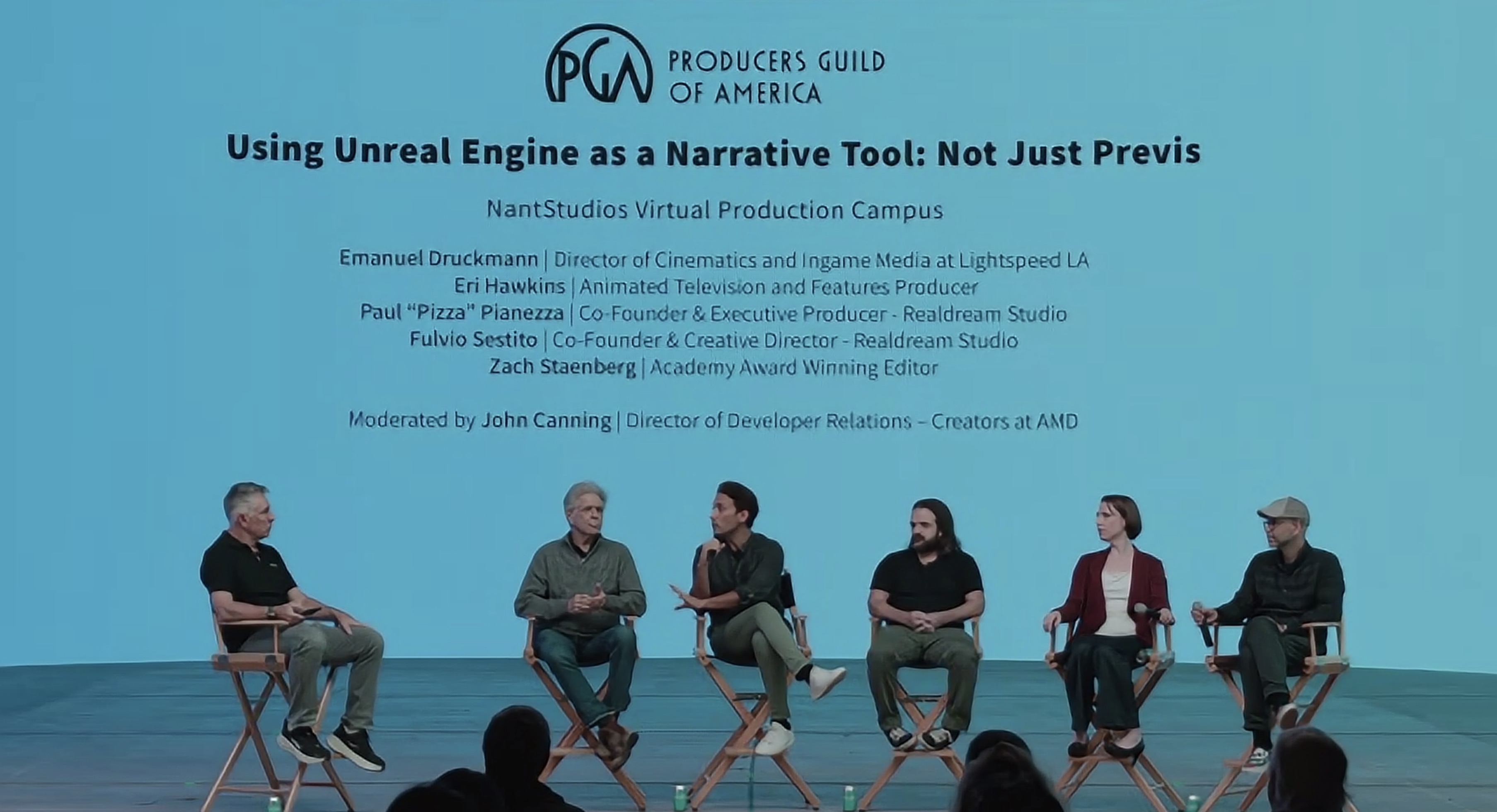
I watched a PGA/VES panel from Nant Studios on using Unreal Engine as a narrative tool. What made it worth tuning in was they brought people deep in the trenches doing this work right now: folks from Realdream Studio, Jim Henson Company, Lightspeed LA, and Zach Staenberg, the Oscar-winning editor from The Matrix trilogy.
The standout story: Zach working on The Killer during the SAG strike. Actors had to leave Paris, but the French crew was contracted for two more weeks. They shot stunt performers doing wide shots and back-of-head footage, then Fulvio from Realdream showed up to the editing suite with a mocap suit. Built two blocks of Paris in Unreal based on the location. Same-day turnaround instead of waiting a week for traditional previs. A Universal exec visited the set and couldn't tell previs from live-action in the fast-paced editing. That's when you know this isn't just previs anymore.
Jim Henson Company's work is wild: three-camera sitcom setup that's fully digital with motion capture performers doing body work while puppeteers perform faces. Real-time dynamic interactive fur that reacts to dance moves so performers can see the fur reaction and incorporate it into their performance. Brian Henson said it reminded him of the excitement when his father was pushing boundaries with puppetry.
The real unlock: small teams can produce what used to require massive studios by removing the friction from iteration. One story about helping friends win a commercial pitch: instead of delivering one animatic they generated multiple creative options with different shots and approaches in the same timeframe. But they were refreshingly honest about limitations and when this approach doesn't make sense. Small dialogue films don't need this level of technical infrastructure. Limited compositing capabilities, depth of field is post-process rather than physically correct, and Unreal doesn't talk well with other tools in traditional VFX pipelines.
The question isn't whether to learn this workflow. It's when you'll have time to catch up before it becomes table stakes for anyone working in narrative content creation.
